Product strategy & discovery

More ways to build.
Better reasons
to choose.

AI makes it easier to turn an idea into something you can try. We help you decide which idea deserves the investment and what to learn before you make it.

From an idea to something you can inspect
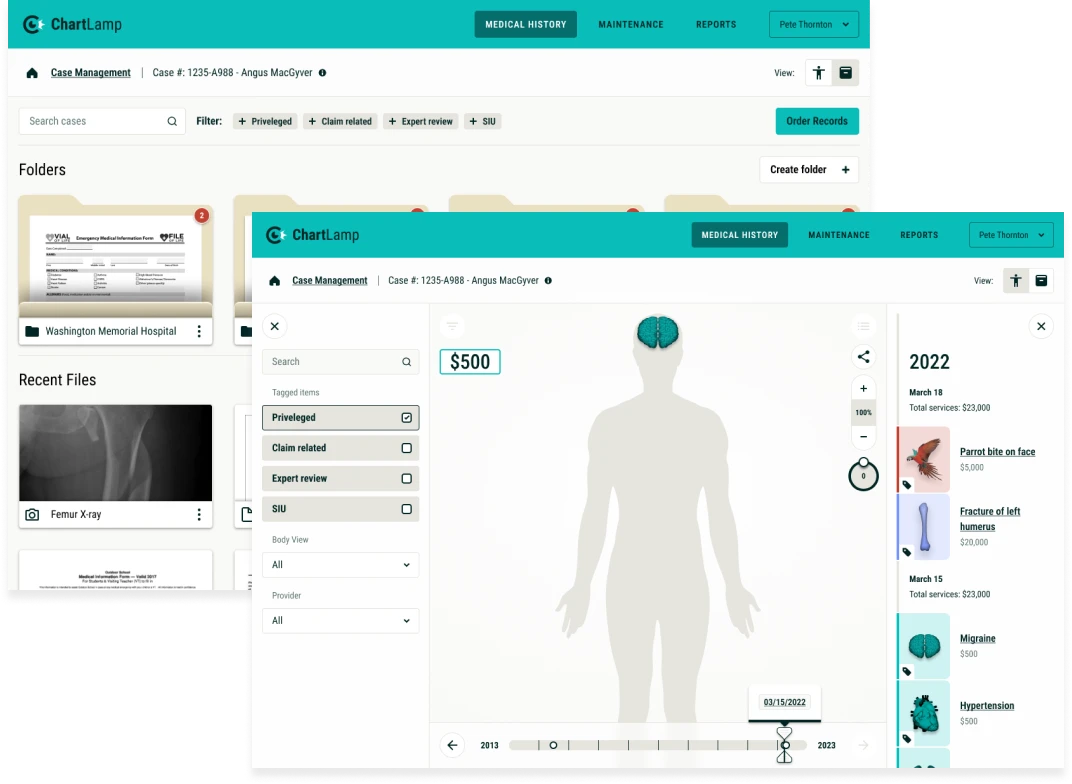
ChartLamp high-fidelity prototype connecting records, anatomy and medical timelines
ChartLampResearch → priorities → interactive prototype
Customer researchProduct discoveryPrototypingScope & tradeoffsTechnical exploration

Inside the thinking / ChartLamp

A product direction.
With the reasoning still attached.

The founders brought medical-claims expertise. We helped turn it into a focused product concept by understanding the adjuster’s work, comparing possibilities and making the proposed experience tangible.

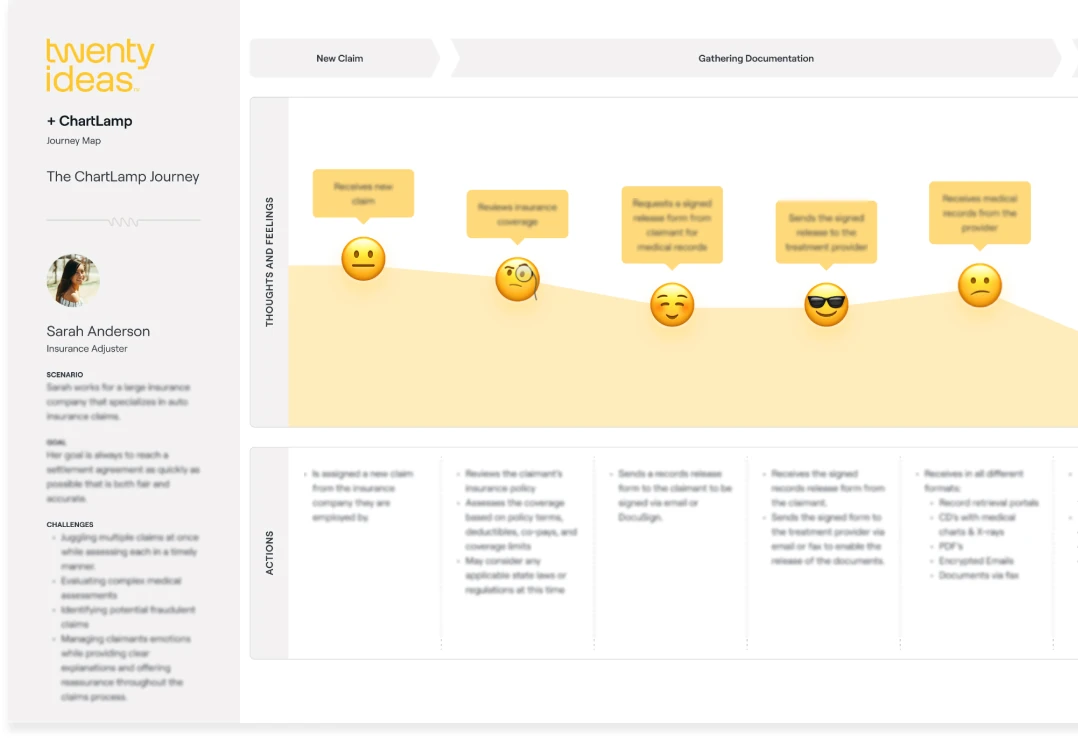
ChartLamp user journey map showing tasks, touchpoints and opportunities

01 / Understand the work

Start with the person doing the work.

Interviews, market research and the founders’ knowledge informed personas and a journey through medical records. The map made the fragmented task visible before we settled on screens.

The decisionDesign around the claims adjuster’s need to categorize, understand and discuss records.

Explore the project
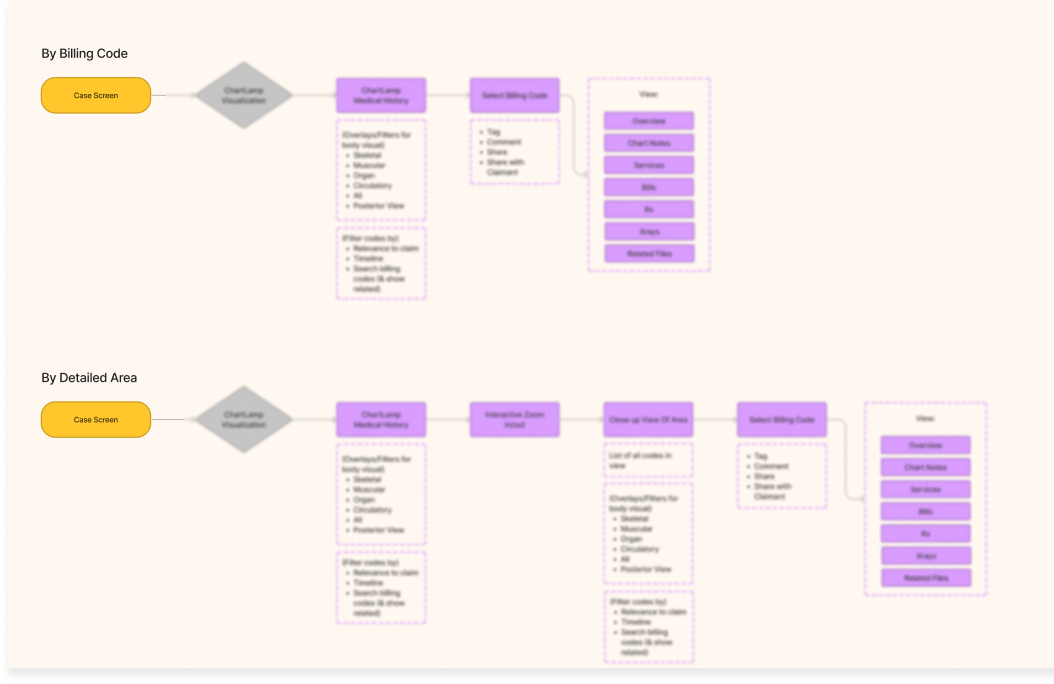
ChartLamp feature-prioritization artifact comparing possible product directions

02 / Choose the focus

Good strategy includes what to leave out.

We compared possible features by usefulness and implementation complexity. The goal was a coherent proof of concept that people could follow, with choices grounded in the workflow.

The decisionGive the prototype a focused set of capabilities rather than trying to demonstrate every possibility.

Explore the project
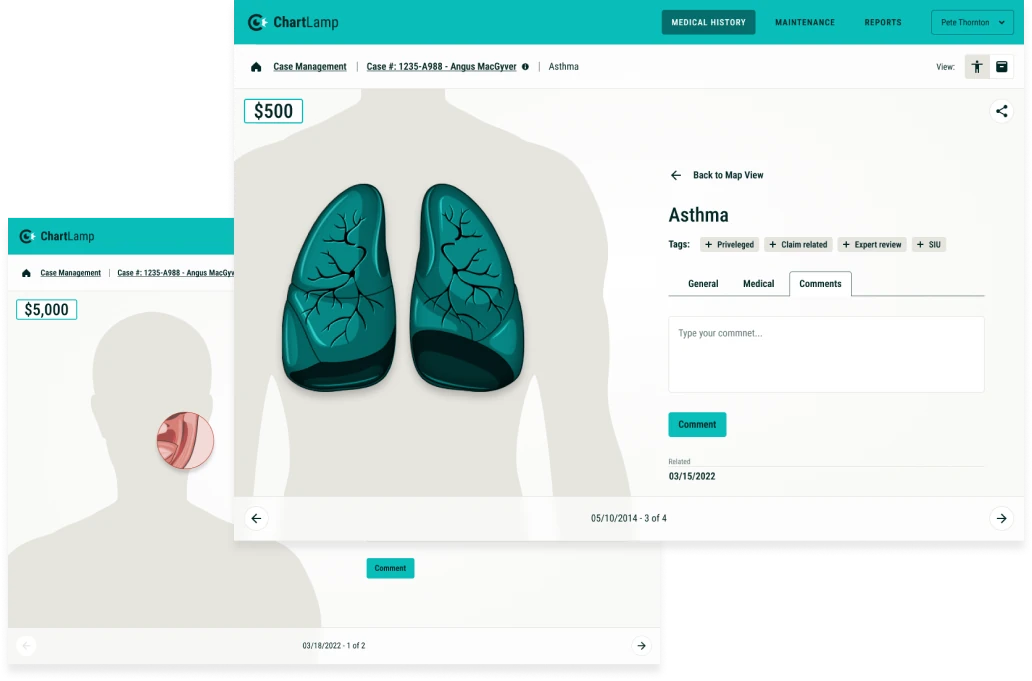
ChartLamp prototype views showing anatomical mapping and a medical timeline

03 / Make it tangible

Make the next conversation concrete.

Anatomical mapping, a medical-history timeline, tagging and sharing became a high-fidelity interactive prototype. The founders could show how the concept would connect a difficult claims-review task.

The decisionUse the prototype to demonstrate and discuss the proposed experience. This engagement delivered a prototype, not a production launch.

Explore the project

Strategy in the age of AI

Make faster.
Learn deliberately.

A convincing prototype can arrive before the hard questions have answers. We use that speed to explore more possibilities, then bring the evidence back to the decision.

01 / Make

Make the question testable.

A sketch, a working interaction or a technical experiment. Choose the smallest useful way to examine the uncertainty.

02 / Learn

Put it against reality.

Watch people try it. Check the data, integration or constraint. Separate an attractive demo from evidence that the approach fits.

03 / Choose

Make the next call.

Build, revise, narrow the scope or stop. Record what you learned and what would change the decision.

The next question starts the next pass.
AI expands what we can try.
People decide what is worth doing.

AI can help produce alternatives and explore implementation. Conversations with users, domain expertise and technical validation guide the choice.

See how our team works

Different products. Different decisions.

The strategy has to fit
the world it enters.

A new concept and an established platform need different kinds of discovery. The work begins with the decision you face.

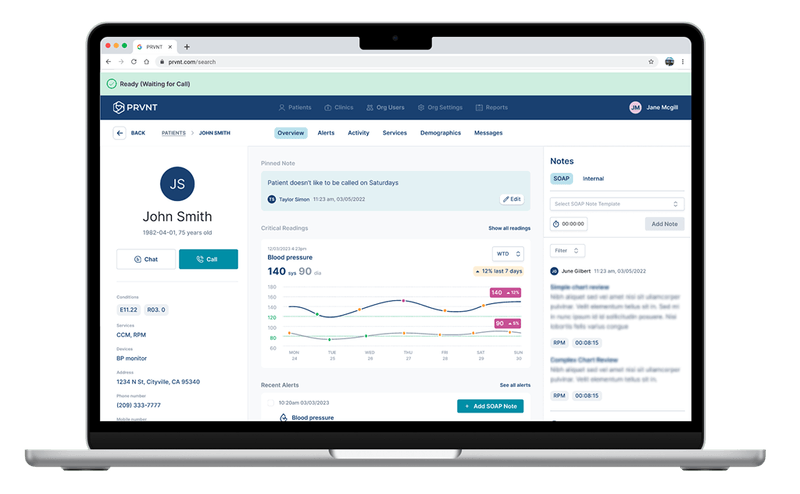
PRVNT care-team workspace with patient information, notes and calling

Nsight Health / PRVNT

Connect the care journey.

Provider input shaped a workspace that connects patient information, monitoring and conversations. Product priorities followed the care team’s work.

Inside the work
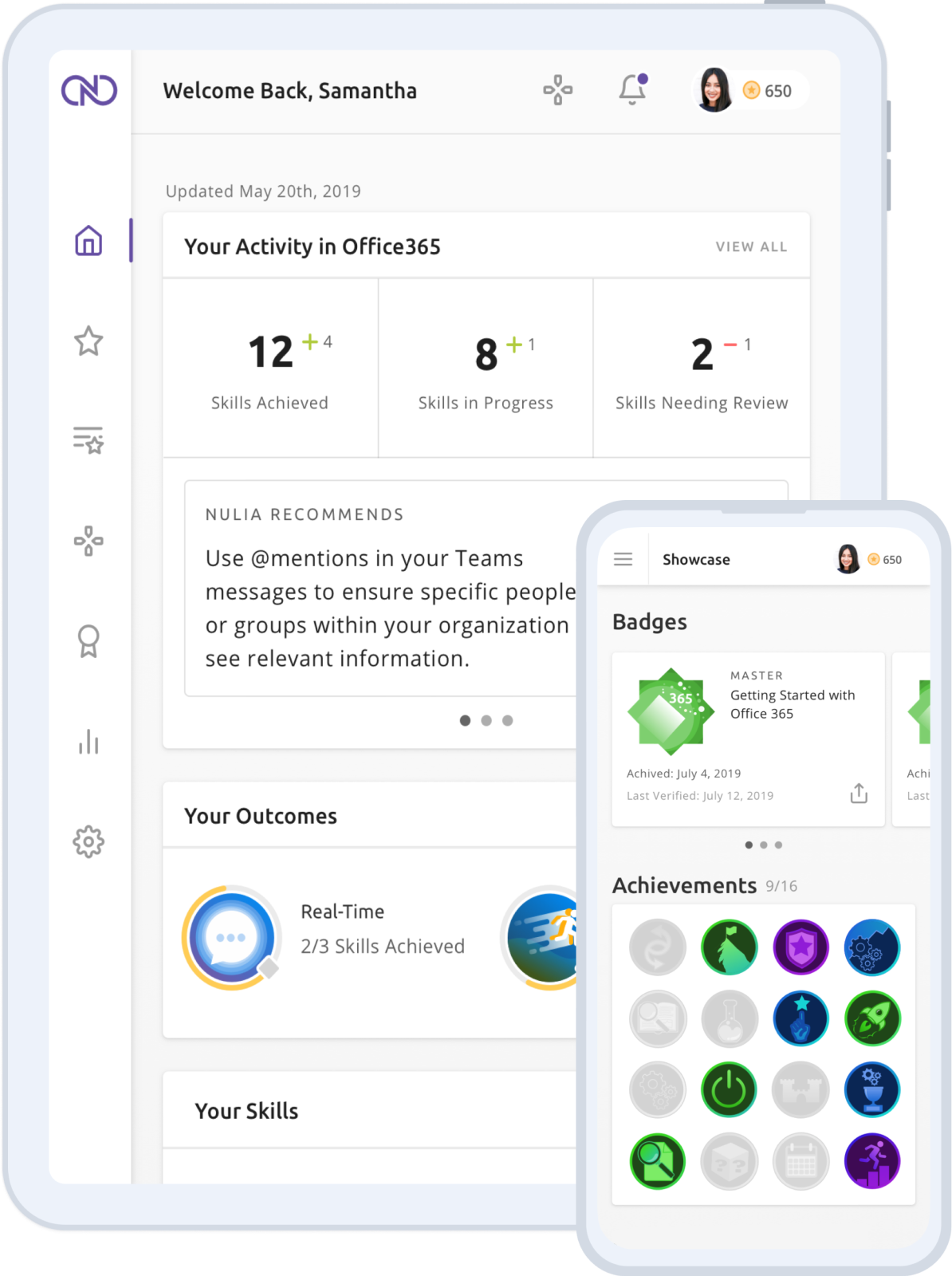
Nulia design exploration linking goals, activities and learning progress

Nulia Works

Turn a score into a next step.

UX strategy connected progress information with achievable practice, while treating individual learning and manager oversight as different tasks.

Inside the work

Something your team can act on

The decision is the point.
The artifacts make it usable.

Choose an engagement around what needs to become clearer. A new idea, an uneven product or a technical unknown each calls for a different starting point.

01 / What matters

A shared view of the problem.

Research synthesis, a journey map and the assumptions that could change the plan.

02 / What to test

A focused experiment.

A prototype or technical spike with a clear question and observations to inform the next decision.

03 / What comes next

A direction for delivery.

Scope options, dependencies and a product brief that design and engineering can work from.

From discovery into product development

Start with the question

What needs to be clearer
before you invest?

Bring the idea, the decision in front of you and what you already know about the people it serves.

Talk with our team