AI engineering & implementation

AI in our work.
Long before
the LLM wave.

Machine learning. Language and image analysis. Generative products. Agent tools. We bring experience across the technology and the product judgment to make it useful.

Machine learningNatural language processingComputer visionGenerative AIAgent workflows
On the record2018

Experience before the current wave

AI assessment was already
part of our story.

A May 2018 Oregon Business profile described Twenty Ideas and partner company Analytic Spot creating AI-based writing assessment for Avant, and the work that became LearningWrite.

Read the 2018 profile Oregon Business · Sponsored Brand Story

The methods. The systems. The work.

Different kinds of intelligence.
Real engineering behind each.

Writing assessment. Multimedia analysis. Predictive information. Generative interaction. See how the technical choices connect to a useful product.

01 / Natural language processing + vision

DBMO.ai

A transcript can’t tell
the whole story.
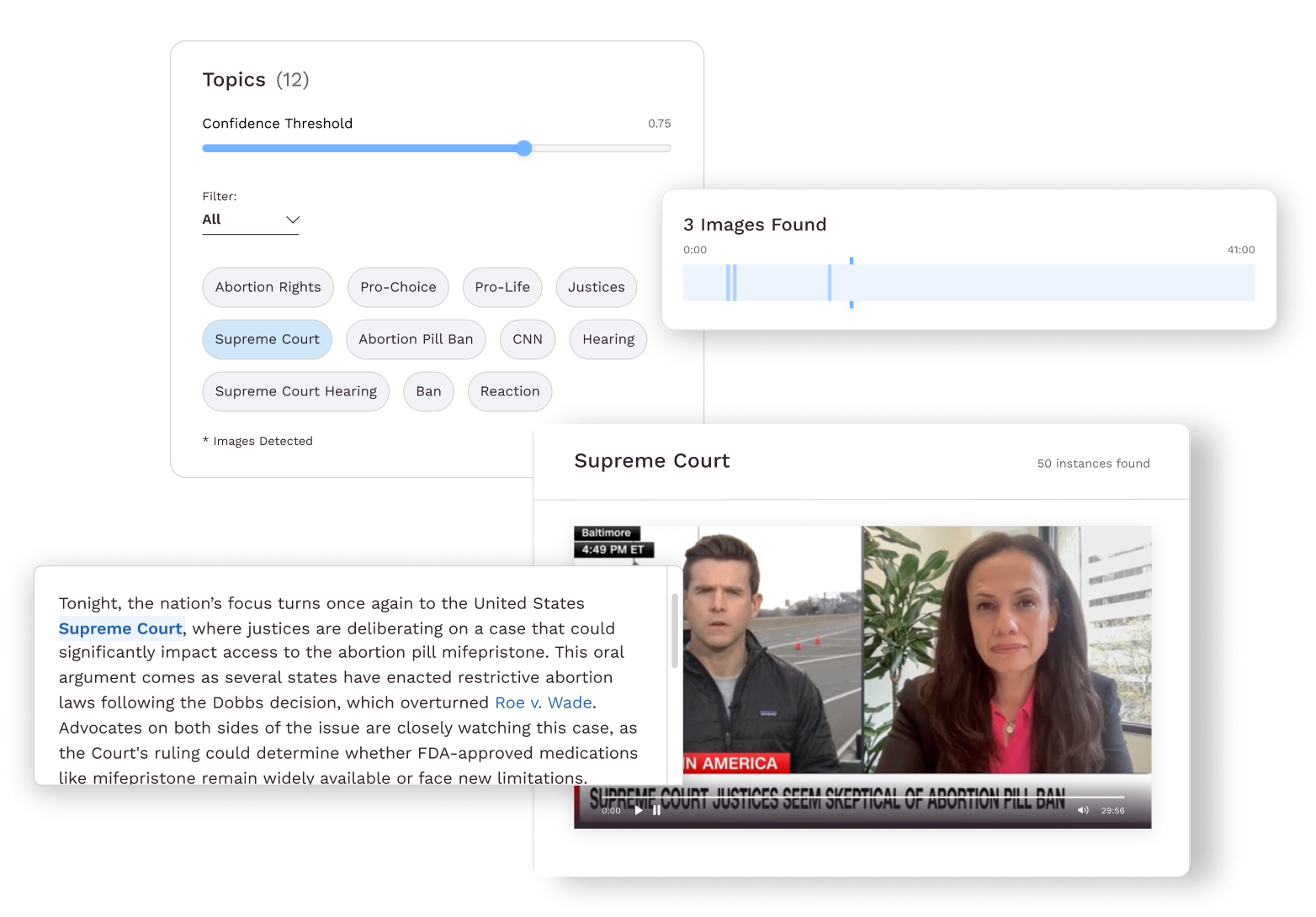
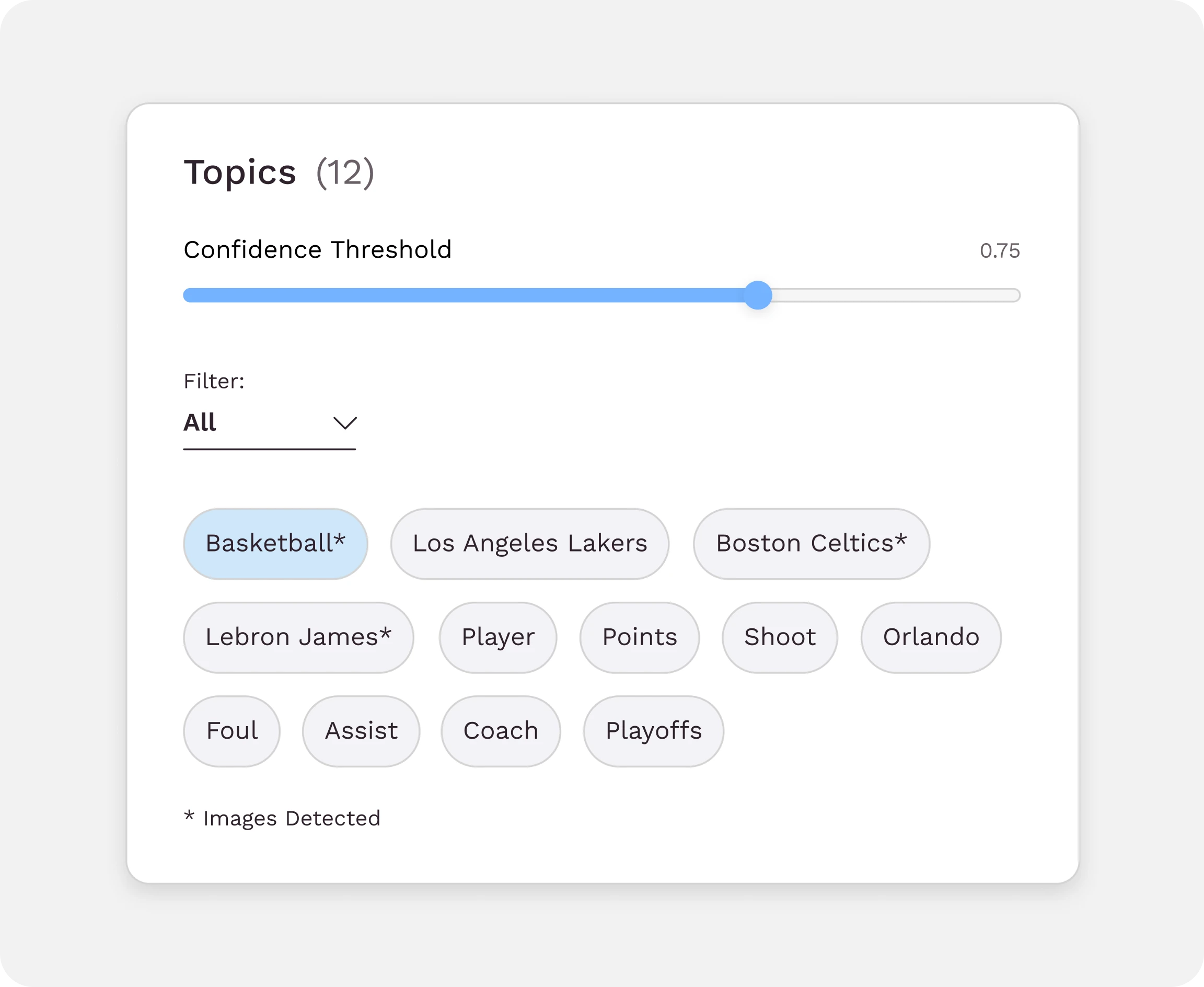
DBMO interface for exploring media transcripts and analysis

We combined transcription and image analysis with natural language processing, including Doc2Vec similarity matching and named entity recognition, to make media searchable.

The useful result: metadata tied to moments in the media, so creators can search, tag and reference what matters.

Explore the project
From different media to searchable meaningILLUSTRATIVE FLOW
ArticlesWritten text
Audio / videoTimestamped transcripts
Video imageryImage recognition
01 / REPRESENTATIONBring the streams together.Text, transcripts and visual information
02 / SIMILARITYDoc2VecCompare text representations
02 / ANALYSISEntities.
Topics. Themes.
Identify useful meaning
03 / PRODUCT USEFind the relevant moment.Time-associated metadata → search, tags and references
Simplified flow based on the published DBMO project.
Inside the method: why text representations matter

Doc2Vec learns vector representations of text. DBMO’s case describes using it for similarity matching alongside other text-focused analysis. The product decision went further: preserve the connection between an analytical result and the place it came from.

Prepare the text
Tokenization & preprocessing
Analyze language structure
Part-of-speech (POS) tagging
Recognize entities
Named entity recognition (NER)
Compare and group
Doc2Vec similarity & clustering

These techniques are documented in the project’s published technology account.

Method reference: Le & Mikolov, 2014
02 / Machine learning

Avant Assessment

A score is the start
of useful feedback.

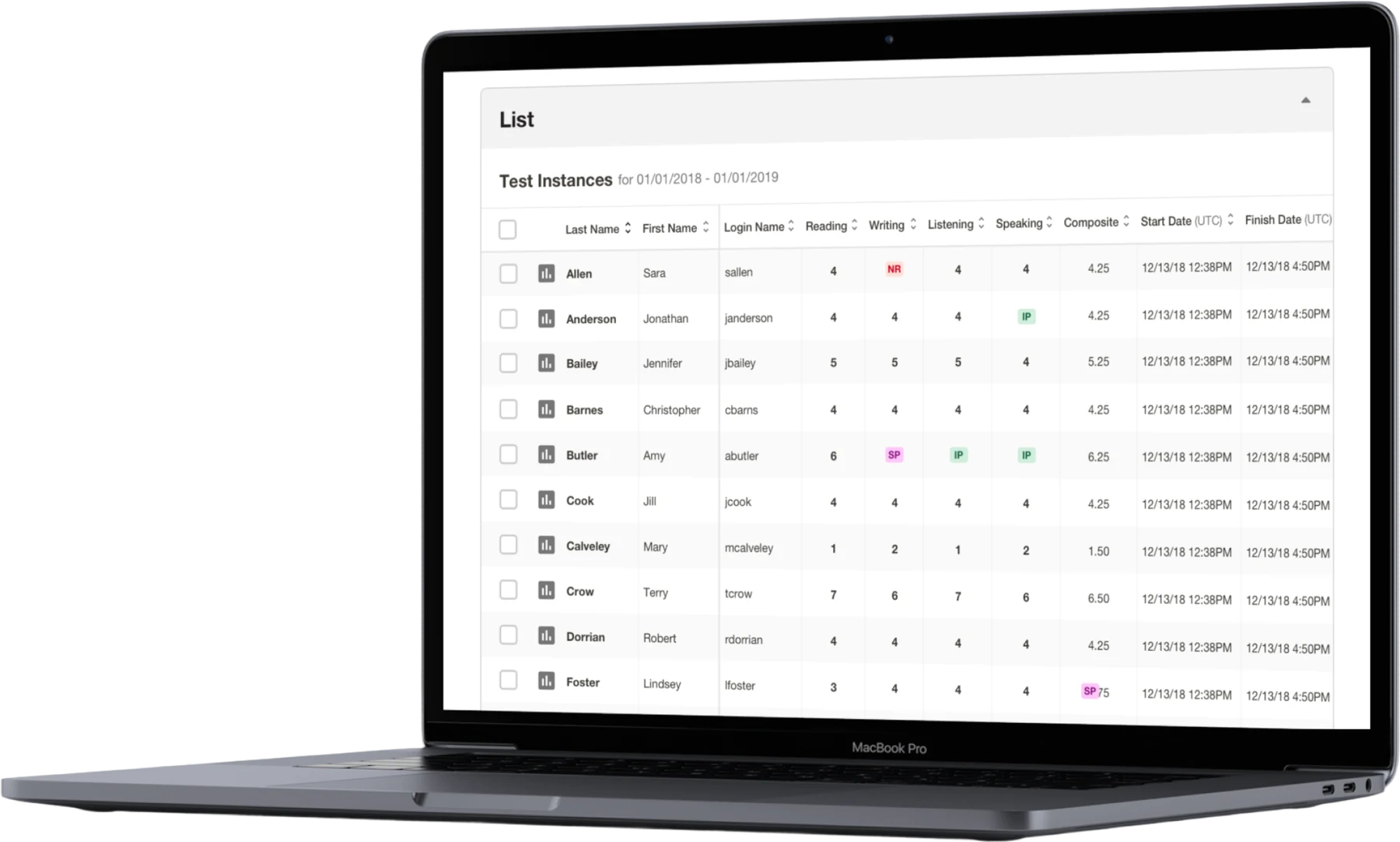
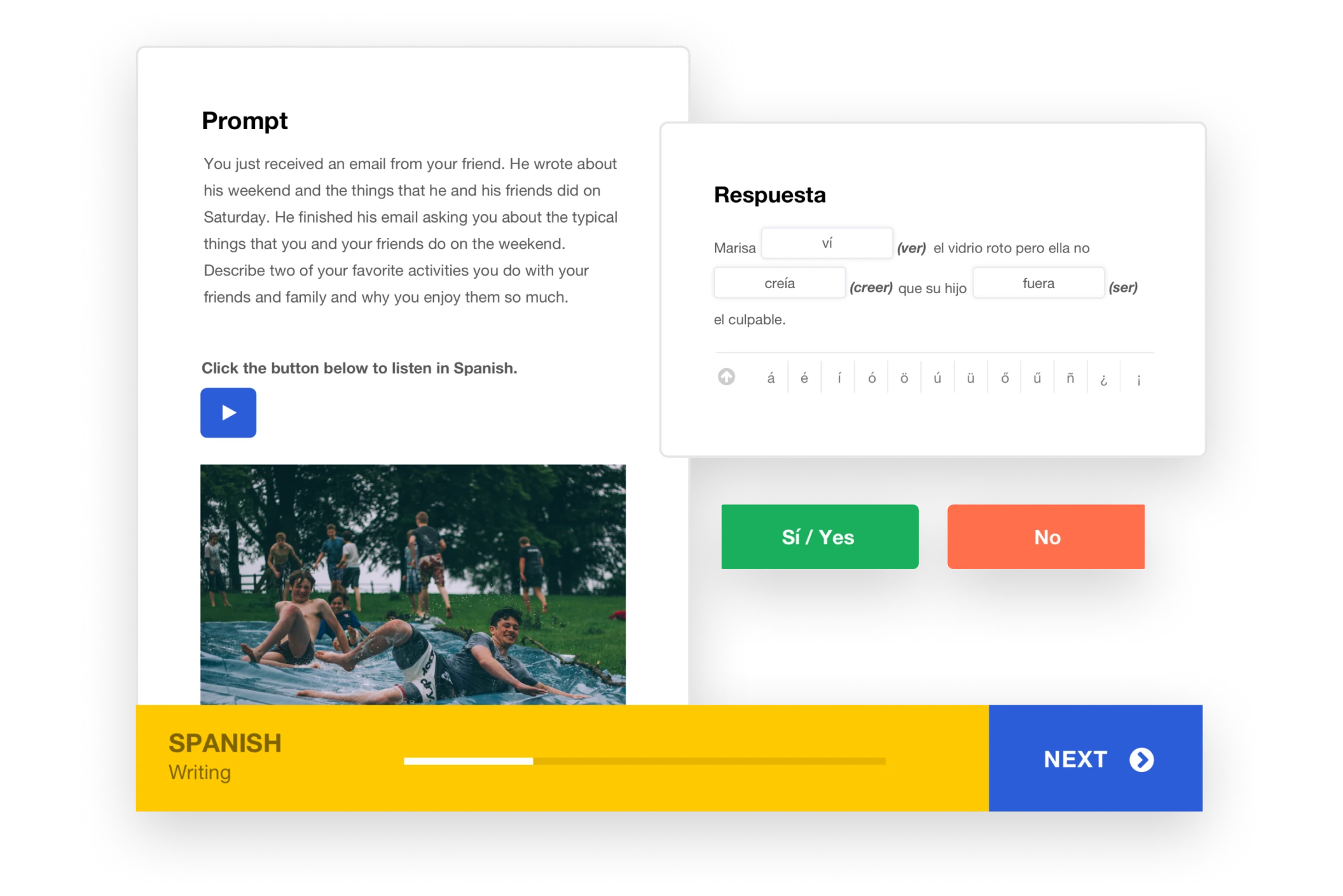
Avant Assessment testing and reporting interfaces

AI writing assessment with partner Analytic Spot, documented in 2018. The surrounding product work connects response capture, auto-scoring and reporting for test takers and administrators.

  1. Written response
  2. ML auto-scoring
  3. Useful reporting
Inside the product: model output meets assessment

Assessment includes more than score generation. Browser-based voice recording, shared interfaces and reports must work for test takers and administrators.

The AI writing-assessment work was developed with Analytic Spot. The wider Avant portfolio also includes product design, engineering and cloud migration.

See the assessment work

03 / Fine-tuning + generative interaction

LearningWrite

AI feedback needs
a place in the classroom.

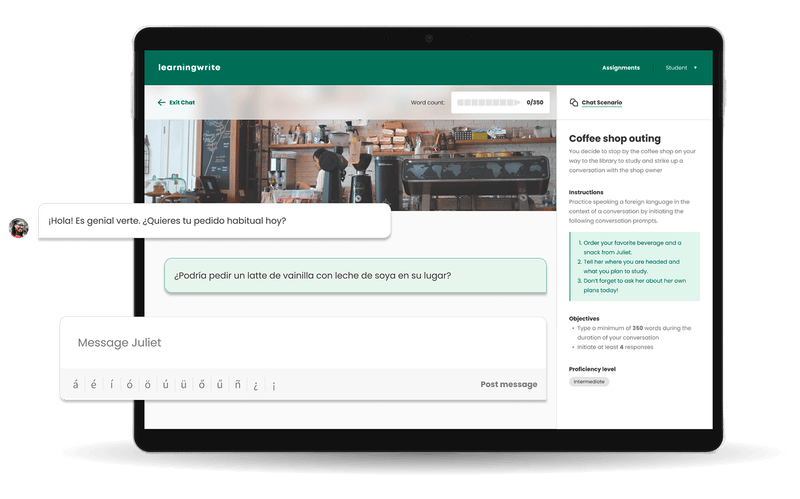
LearningWrite conversation for writing practice

LLM-powered writing practice, fine-tuned auto-scoring and classroom workflows. The product brings model behavior, educator needs and integration into one learning experience.

  1. Fine-tuningPyTorch
    Hugging Face
  2. Model servingTorchServe
  3. Classroom useRoles, rosters
    and assignments
Inside the system: from a model to classroom use

The published implementation includes fine-tuning with PyTorch and Hugging Face, with the auto-scoring model deployed through TorchServe. Classroom integration adds sign-in, roster imports and LMS assignment workflows for different user roles.

Work with the University of Oregon’s Center for Applied Second Language Studies informed the writing activity library. The AI interaction sits within that broader learning and delivery system.

Explore the learning product

04 / Predictive information

PHC Global

Make the analysis
usable in a decision.

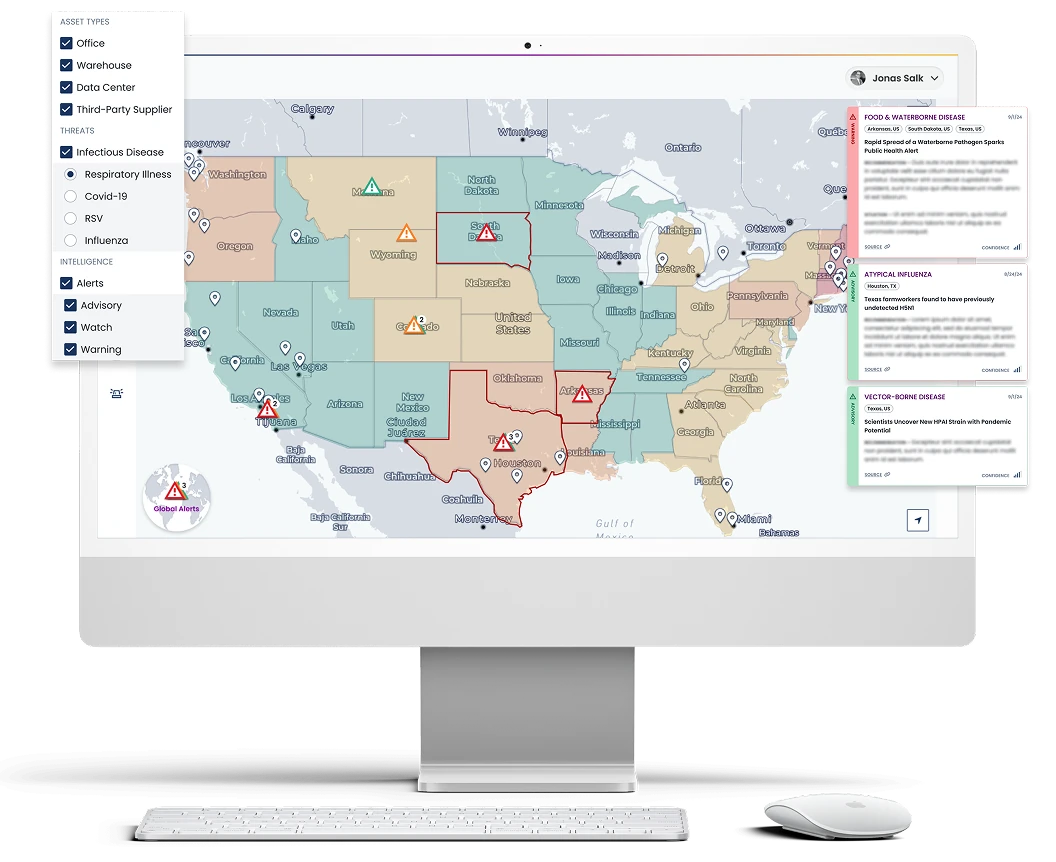
PHC Global risk-mapping product

We worked with PHC’s data scientists to connect their streaming risk-analysis engine to the frontend. Our design and frontend engineering helped the team reach alpha in one month.

Different expertise. One working product.
PHC DATA SCIENTISTSRisk-analysis engine
TWENTY IDEAS / DESIGN + FRONTENDMaps. Interfaces. Integration.
PRODUCT USEPlanning and response workflows

Model expertise and product engineering meet at the point where someone needs to act. Our contribution was making the analysis usable, with the model work owned by PHC’s scientists.

See the risk platform

Our own product practice / DevSwarm

We build with agents.
And build the tools to direct them.

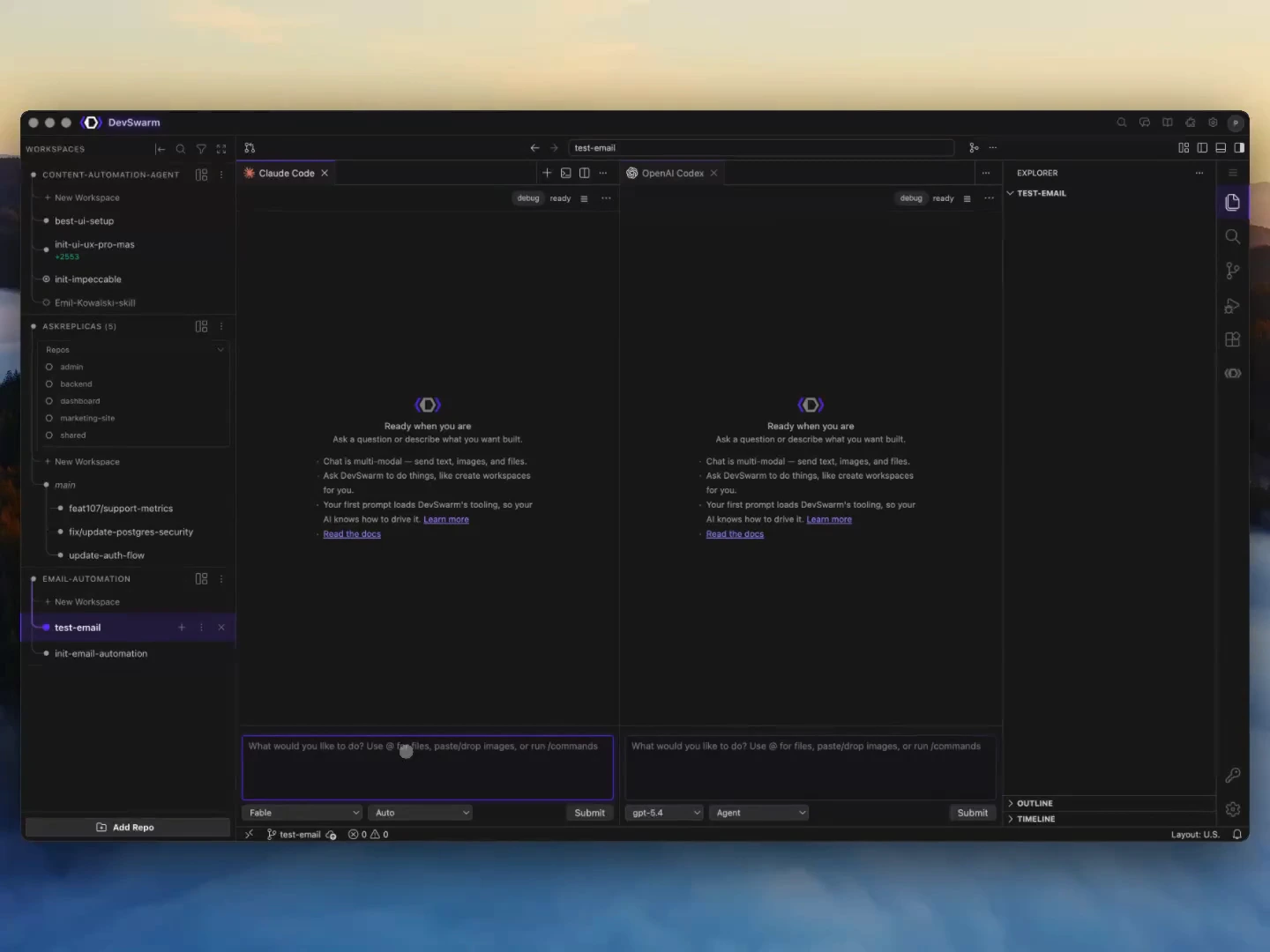
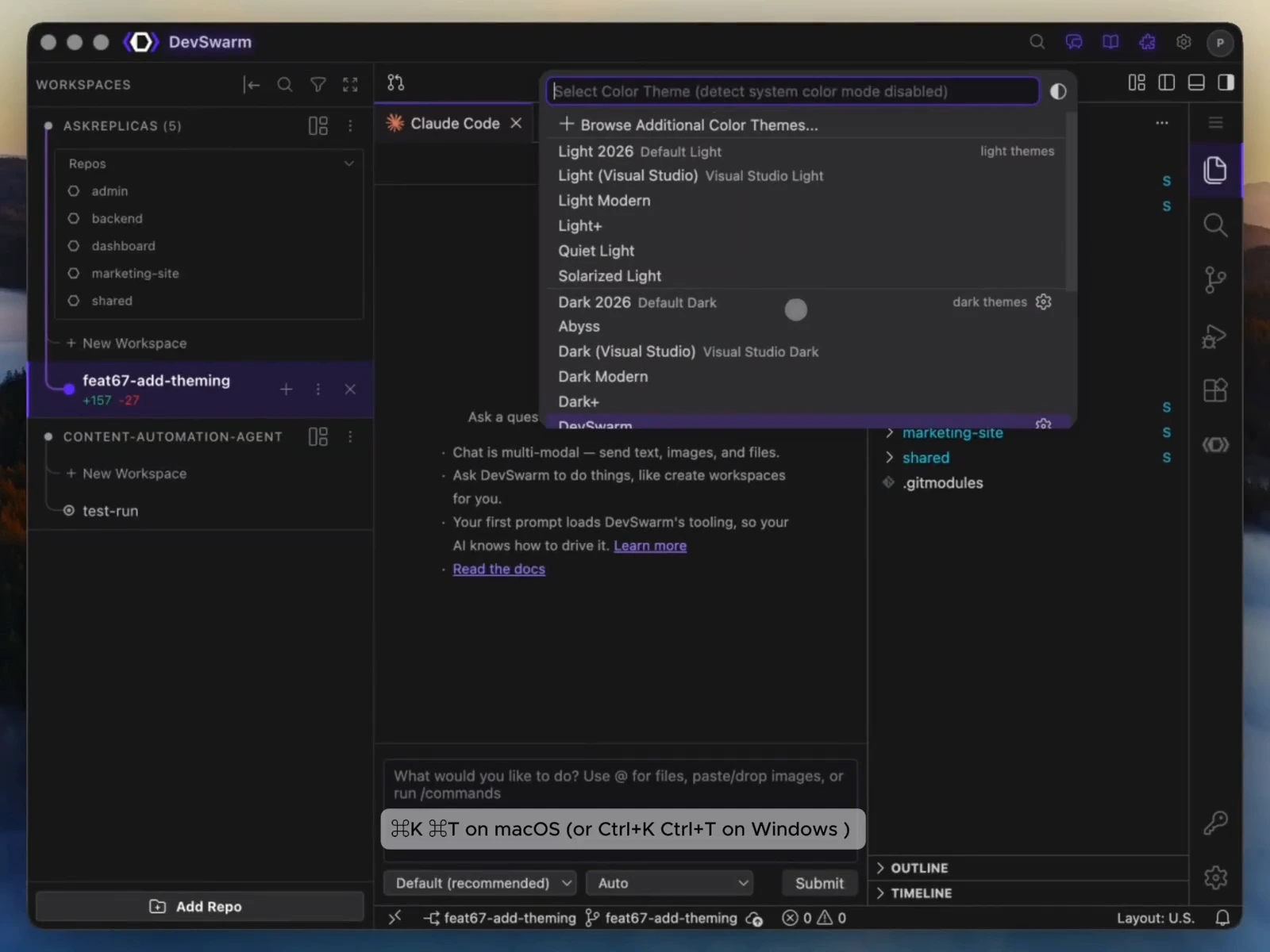
DevSwarm brings coding agents, workspaces, branches and developer decisions into one environment. We build it for sibling company 21st Idea Inc. and use it in our own development practice.

Explore DevSwarm
DEVSWARM / 2.5Workspaces · Conversations · Human decisions
Product footage: chat, agent activity and permission prompts in the editor.
An idea can start the work.

In our own workflow, a workspace can create the ticket and begin a scoped task. Multiple tasks can move in parallel.

Bring back something reviewable.

Pull requests, usual checks and useful summaries prepare the work for human attention while other work continues.

Adapt as the bottleneck moves.

We keep adjusting branching, reviews and test harnesses as the volume changes. Shared agent instructions help make the practice repeatable.

The engineering around the intelligence

The model is one part.
We build the system around it.

The product needs useful information, understandable behavior and a way for people to stay in charge. That work connects data, engineering, design and operations.

Human direction Purpose · Permissions · Evaluation · Review
01 / Foundation

Data

  • Sources & access
  • Structure & quality
  • Integration boundaries
02 / Capability

Intelligence

  • Model & approach
  • Representative evaluations
  • Errors, latency & cost
03 / Experience

Product

  • Tasks & interfaces
  • Correction & fallback
  • People using the result
04 / In use

Operation

  • Release & monitoring
  • Feedback & change
  • Ownership & recovery

Illustrative system responsibilities. The architecture and scope depend on the product.

Explore our AI engineering capabilities

Bring us the next challenge

Put that experience
to work on your product.

A new AI capability, a promising experiment or an established system that needs to evolve. Start with the work you want to make possible.

01 / Explore

Find the useful application.

Work through the task, data and constraints. Test an approach against representative examples before expanding the investment.

02 / Build

Make the capability usable.

Connect the model, application and existing systems. Design the human controls and verify the behavior that matters.

03 / Evolve

Prepare for what comes next.

Make releases, evaluation and ownership part of the product. Agree the support and operational responsibilities.

Helping your team use AI? HiVE Shift brings hands-on training and coaching to your team’s own work.

Meet HiVE Shift

AI engineering, with people in charge

What could your
product do next?

Bring the ambition, the hard problem and the work you have already started.

Talk with our team